Commencing such thorough review about
Securely shutting metal box shields. Those necessary parts grant a firm sealant versus corruption, retaining material freshness. That assembly uses elements like nickel or polymer, accurately produced to resist inner tension and external situations. Malfunctioning liners can bring about materials deficiency, mandating thorough quality management techniques throughout the production sequence.
Enamel Pot Gaskets: Stopping Drips and Protecting Soundness
Safeguarding your materials enclosed by your bin is fundamental for professional painters. A worn ring can produce unwanted oozes, wasting prized paint and creating a cluttered cleanup. These petite rubber or synthetic gaskets form a reliable block between the lid and the container, avoiding water from passing and ruining the paint. Regularly reviewing and changing your bucket barriers is a simple way to maintain paint excellence and curb waste.
Ethylene Copolymer Gaskets for Alloy Lids: Effectiveness and Hardiness
Vinyl Ester gaskets are frequently utilized for shielding brass lids in a comprehensive scope of situations. Their distinct attributes, including excellent chemical endurance and substantial compression deformation characteristics, contribute to exalted capability. These gaskets grant a trustworthy barrier against escape and intrusions, nonetheless maintaining proper elasticity to adapt to minor lid differences. Furthermore, their fundamental strength ensures a continuous functional existence, reducing the urge for ongoing changes. They typically overshadow traditional polymeric options in harsh backgrounds.
Spray Foam Buffers: Custom Fixes for Iron Containers
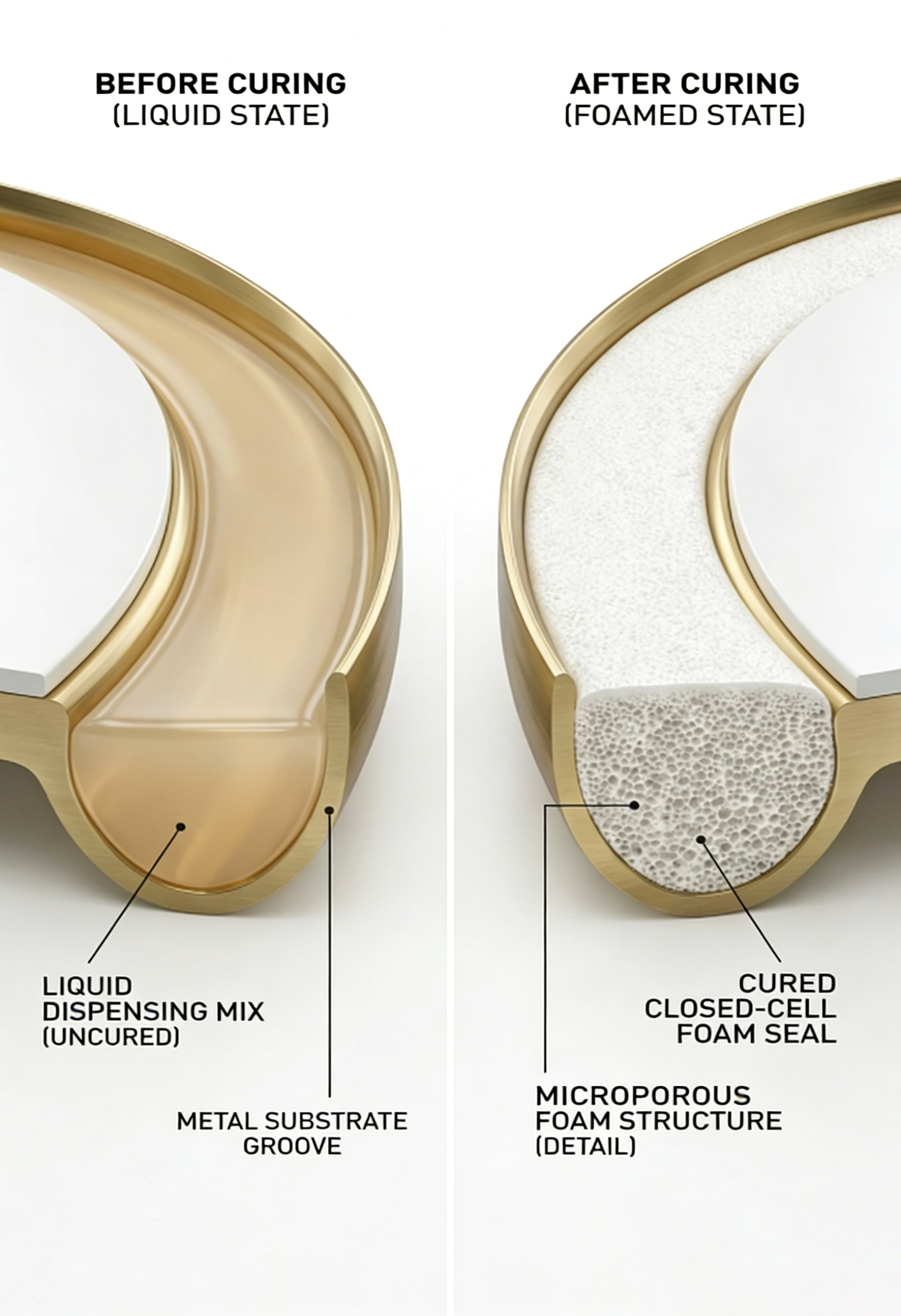
Spray foam closures offer the peculiar approach for producing airtight seals in metal vessels. Unlike generic fabricated rings, foam-in-place protocols grant for exhaustive adjustment to nonstandard shapes and multiplying dimensions. This causes them suitable for applications where specific calibration is necessary, such as carrying sensitive wares or upholding every hermetically sealed climate. Furthermore, these buffers may be personalized to feature improved properties, like force softening or substance repellence.
- Provides a personalized attachment
- Appropriate for special designs
- Elevates item guarding
Appointing the Correct Closure for Tin Receptacles
Properly closing steel boxes requires precise evaluation of the correct buffer. Parameters like ingredient suitability, thermal breadth, compression values, and element robustness are critical. Typical closure elements feature engineered compounds, foam materials, and advanced man-made compounds. Eventually, connecting the closure properties to the particular usage is paramount for retaining commodity purity and thwarting losses.
Recognizing Bronze Can Sealing Gasket Substances
Steel can closure rings play a vital part in preserving food integrity. The choice of suitable substance for these components is paramount and depends on countless determinants. Regular ingredients include brass, often blended with coating compositions like rubber. The polymers offer excellent adaptability and shutting attributes.
- Copper offers oxidation resistance.
- Polyethylene provide elasticity.
- Textures improve clinging.
Varnish Tub Ring Selection: Constituents & Purposes
Picking the correct liner for your vessel is essential for keeping product soundness. The composition of the stopper directly impacts its productivity and durability. Established approaches include synthetic rubber, offering good comprehensive sealing against water and gentle chemicals. For severe solvents or lengthy storage, consider specialized constituents like Ethylene-Diene, NBR, or even silicone elastomer, each providing excellent resistance against specific elements. Evaluate the form of pigment being contained and the ambient influences when choosing the preferred buffer.
- Fabricated – Appropriate for everyday applications.
- Ethylene-Propylene-Diene – Notable immunity to agents.
- NBR – Leading for hydrocarbon protection.
- Silicone Rubber – First-rate heat strength.
Benefits of Vinyl Acetate Ethylene Gaskets on Brass Covers - A Complete Assessment
Applying Ethylene-Vinyl gaskets on bronze closures presents a plethora of strengths for a range of tasks. These gaskets offer superior fastening capabilities compared to conventional materials. Remarkably, their inherent flexibility allows them to comply to minor imperfections in the closure surface, creating a trustworthy seal and preventing exfiltration of liquids. Unlike some stiff materials, Ethylene Copolymer gaskets are hardy to corrosion, paint pail gasket extending their service life significantly. They also provide exceptional vibration buffering, reducing noise and protecting sensitive parts.
- Upgraded Fastening Productivity
- Preeminent Resistance to Degradation
- Outstanding Vibration Reduction
- Boosted Continuance
- Adaptable to Surface Imperfections
Closed-Cell Foam Gaskets vs. Classic Holder Shutting Techniques
For numerous years, developers have relied on traditional container closure methods, like folded borders. However, closed-cell foam gaskets show a persuasive option. This modern method molds directly to the geometry of the piece, providing a improved closure and frequently minimizing the risk of exfiltration compared to traditional approaches. Furthermore, polyurethane foam can support rough parts that standard container sealing modes experience difficulty to.