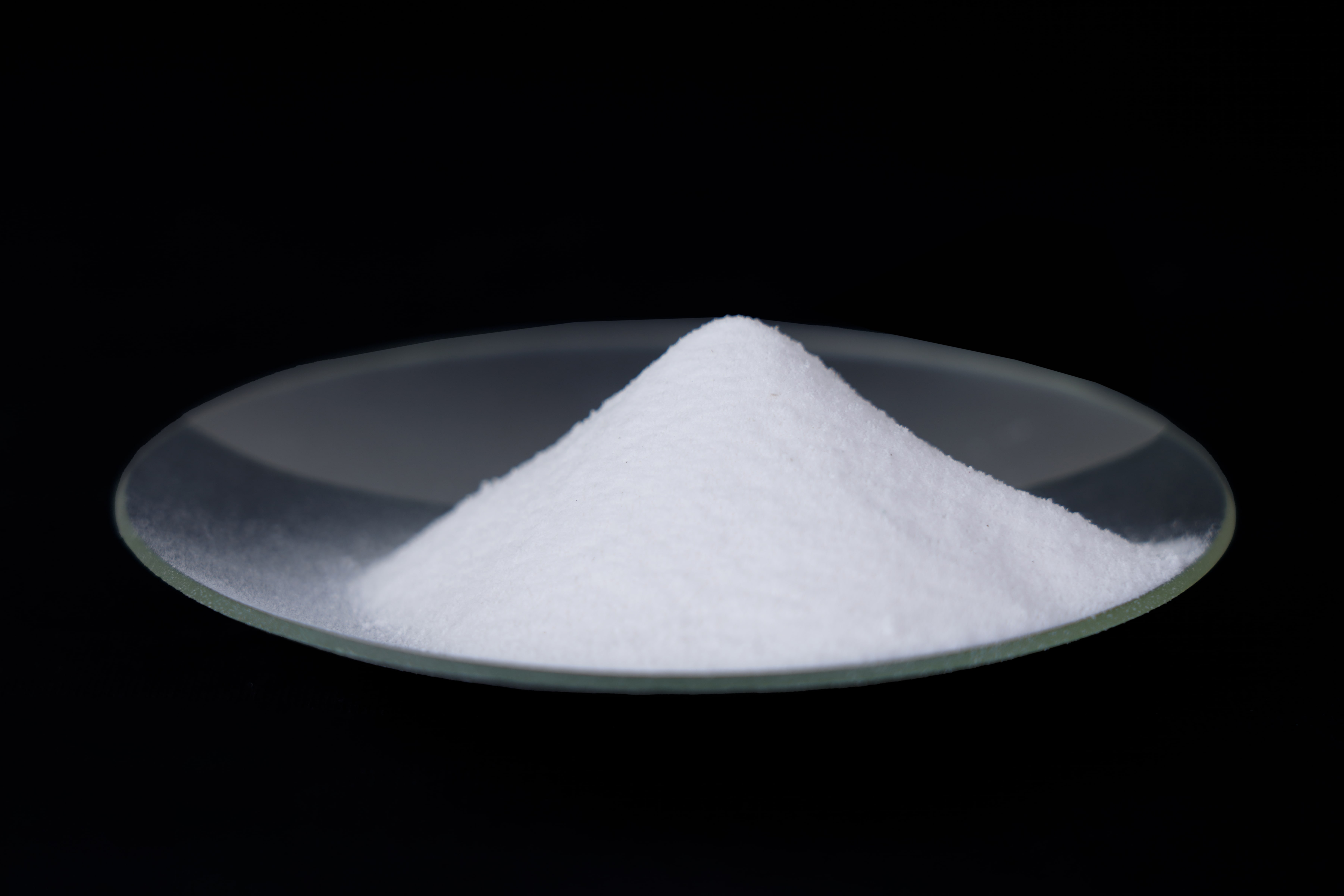
Setting offporous sediment demonstrates exceptional refining element widely utilized in various applications, particularly in liquid refinement. Taken from the fossilized remains of diatoms, it exhibits a unique permeable architecture that supports heightened activated bleaching earth sieving. The element executes by creating a subtle particulate screen on a filtering module, absorbing infinitesimal fragments while letting the fluid through. Selecting the appropriate type of filtering agent is essential for maximum efficiency.
Utilizing Diatomaceous Residue for Refinement
Silica-rich powder, composed of the fossilized remains of microscopic algae called diatoms, presents a distinctive answer for filtration various ingredients. Its structure, a lightweight network of glass-like shells, provides an incredibly substantial surface area. This enables for highly thorough removal of suspended matter from aqueous systems. Implementations range from liquid conditioning and liquid refreshment processing to aquatic filtration and even plantation techniques. Advantages include its non-synthetic origin, financial prudence compared to many synthetic alternatives, and its ability to reliably hold a wide collection of debris.
- Confers superior component removal.
- Can be a earth-friendly choice.
- Well-suited for various markets.
Modified Bleaching Stratum: Features and Applications
Refined bleaching clay is a sort of untreated smectite that has undergone distinctive enhancement to boost its absorptive competences. This process typically involves physical modification, resulting in a enlarged structure with a ample space. Consequently, it exhibits unparalleled fitness to adsorb tints from a broad set of liquids, finding relevant duties in the whitening of animal fats, oils, and other biogenic entities. Additionally, its biodegradable characteristic and budget strength contribute to its developing appeal in various businesses.
Contrasting Diatomite with Competing Filter Substances
Selecting the optimal separation element for a specific process can be tricky. While bentonite and other replacements exist, diatomite often presents a strong case for its dominance. Compared with these rivals, diatomite usually offers superior lucidity and a stronger frequency of filtration impurities. However, that superior choice ultimately rests on determinants such as outlay, application requirements, and expected result caliber.
Diatomite Filtration: A Scientific Perspective
Diatomite or fossilized diatoms filtration processing leverages the unique exceptional structure of said microscopic infinitesimal algae specimens. These aforementioned diatoms, upon subsequent to death, form construct a sedimentary geological rock formation composed fabricated of intricately thoroughly porous spongy silica siliceous shells. This aforementioned porous lattice-like network web provides an incredibly surprisingly large volume for removing particulate suspended matter or debris from or within liquids fluidic systems, achieving encouraging highly profound exact filtration distinguishing.
Augmenting Decolorization Potential of Enhanced Substances
Maximizing an decolorizing procedure using upgraded earth presents a useful method for increasing performance. The referred environmentally safe material, taken from earth, possesses remarkable retaining traits that permit it to effectively decontaminate pigmented pigments from garments, thereby curtailing usage of harsh inorganic compounds and supporting a healthier performance.
Learning Filter Aid Classifications
Selecting the appropriate microsilica quality is important for productive filtration processes. Fossil filter aid grades are classified by their granular measurement, traditionally expressed in mesh sizes. Less coarse grades, like FF or Filter-X, offer outstanding clarity and are fitting for thin liquids, while thicker grades, such as Perlite or Celite 500, grant a enhanced streamline rate for easier employments. Understanding these distinctions will empower you to maximize your screening results and cut down fees connected with the system.
Sustainable Sourcing of Siliceous Earth
The intensifying demand for fossilized algae earth necessitates a priority on durable sourcing strategies. Traditional procurement often involves significant land disturbance and can alter vicinal ecosystems. Now, forward-thinking enterprises are inquiring alternatives, such as restoration of used sites, ensuring mitigated disruption and protecting ecological habitats. Furthermore, clarity in the transit is becoming crucial, allowing purchasers to formulate informed opinions and advocate environmentally conscious initiatives. Hence, responsible regulation of microshell residue earth deposits is vital for future availability and minimized environmental results.
- Abated land degradation.
- Restoration of extraction sites.
- Greater accountability in the network.
Modified Purifying Layer: A Empirical Interpretation
Analyzing a chemical perspective, processed whitening clay represents a specific class of phyllosilicate minerals. Originally, smectite material is structurally modified via treatment – typically involving thermal modification – to dramatically increase its absorbent characteristics. This activation creates a large spread with a significant number of reactive residues, facilitating the capture of tinted pollutants from fluids. The function chiefly involves chemical bonds and Van der Waals contacts, bringing about a cleaner result.
