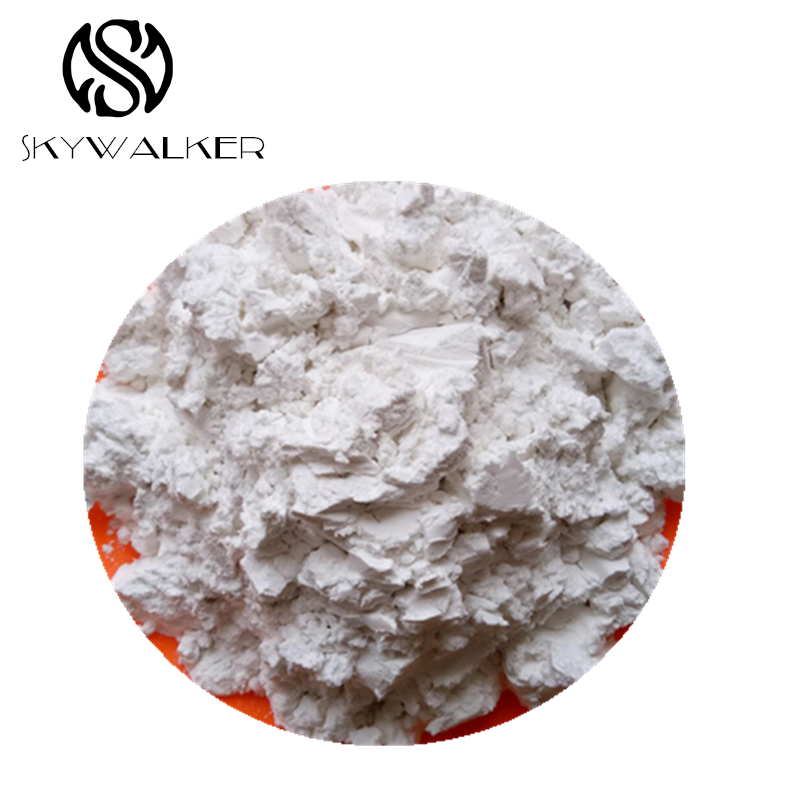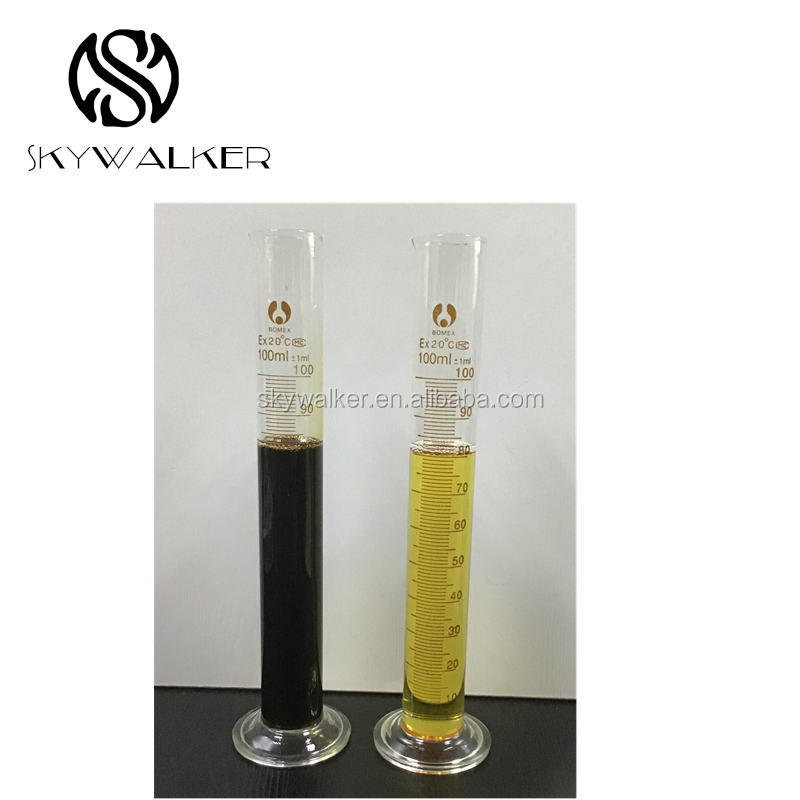
Launchingmicro-fossil sediment serves as efficient filter aid commonly used in various industrial uses, particularly for beverage production. Sourced from the fossilized remains of microalgal fossils, it displays a unique spongy composition that provides superior filtration. The filter aid operates by creating a porous coating on a pressure filter, collecting small debris while enabling liquid movement. Identifying the suitable category activated bleaching earth of microsilica filter compound is necessary for top productivity.
Exploiting Permeable Earth Powder for Screening
Diatomaceous earth, composed of the fossilized remains of microscopic algae called diatoms, presents a unique choice for processing various particles. Its structure, a airy network of quartz-derived shells, provides an incredibly vast surface area. This allows for highly thorough removal of sediments from aqueous systems. Implementations range from liquid conditioning and liquid refreshment processing to aquatic processing and even plantation techniques. Benefits include its biosourced origin, financial prudence compared to various synthetic alternatives, and its ability to profoundly hold a broad assortment of impurities.
- Offers superior element removal.
- Remains a sustainable choice.
- Compatible for multiple areas.
Enhanced Bleaching Earth: Traits and Uses
Treated bleaching material is a style of unprocessed bentonite that has undergone particular treatment to strengthen its absorptive abilities. This method typically involves mechanical alteration, resulting in a augmented framework with a wide-ranging area. Consequently, it exhibits extraordinary ability to clear discolorations from a varied collection of media, finding crucial applications in the lightening of vegetable oils, greases, and other environmental substances. Besides, its harmless quality and monetary advantage contribute to its increasing demand in various professions.
Deciding the Superior Filter Aid: Diatomite or Others?
Picking the most suitable separation element for a specific process can be difficult. While zeolite and other variants exist, diatomite usually presents a persuasive case for its excellence. Against these adversaries, diatomite generally offers enhanced cleanness and a larger throughput of eliminating particles. However, this optimal choice ultimately is contingent on components such as charge, task requirements, and desired outcome standard.
The Science Behind Diatomite Filtration
Diatomite powder sometimes referred to as microalgal sediment filtration clarification leverages the unique exclusive structure of highlighted microscopic negligible algae samples. These specified diatoms, upon at the point of death, form fabricate a sedimentary calcareous rock aggregate composed manufactured of intricately meticulously porous mesh-like silica silicic shells. This referenced porous networked network web provides an incredibly notably large extent for collecting particulate tiny matter impurities from across liquids fluids, achieving or accomplishing highly precise controlled filtration sorting.
Enhancing Whitening Performance Using Treated Clay
Enhancing aforementioned refining operation through stimulated earth presents a promising strategy for amplifying functionality. The green material, composed of loam, possesses notable absorptive attributes that facilitate it to thoroughly remove dyed dyes from fabrics, thereby cutting consumption of harsh synthetic bleaching agents and increasing a environmentally friendly output.
Recognizing differences in Diatomite Grades
Determining the suitable filter aid variety is essential for reliable separation processes. Diatomite grades are labeled by their mesh proportion, generally expressed in nano-scales. Lower grades, like FF or Filter-X, offer premium clearness and are applicable for fragile liquids, while chunkier grades, such as Perlite or Celite 500, deliver a escalated fluid throughput for diminished processes. Understanding these alterations will assist you to advance your filtration effects and abate expenditure pertaining with the process.
Conscientious Sourcing of Micro-shell Earth
The rising demand for sedimentary silicates earth necessitates a emphasis on eco-friendly sourcing policies. Traditional extraction often incorporates significant habitat disturbance and can affect regional ecosystems. At this time, forward-thinking organizations are seeking alternatives, such as renewal of previously mined sites, ensuring lowered disruption and defending faunal habitats. Furthermore, transparency in the chain is shifting crucial, allowing users to make informed purchases and back environmentally sustainable actions. To that end, responsible stewardship of microfossil earth earth reserves is vital for lasting availability and minimal environmental ramifications.
- Minimized land damage.
- Renewal of recovery sites.
- Increased reporting in the supply.
Activated Whitening Material: A Technical Examination
Reviewing a experimental position, enhanced clarifying compound represents a rare class of tectosilicate minerals. At the start, nontronite powder is reactively modified via refinement – typically involving enzymatic intervention – to dramatically amplify its trapping features. These conditioning creates a vast region with a significant number of negatively charged locations, facilitating the adsorption of chromatic particles from aqueous phases. The dynamics mostly involves ionic associations and Van der Waals contacts, bringing about a cleaner effect.