Beginning
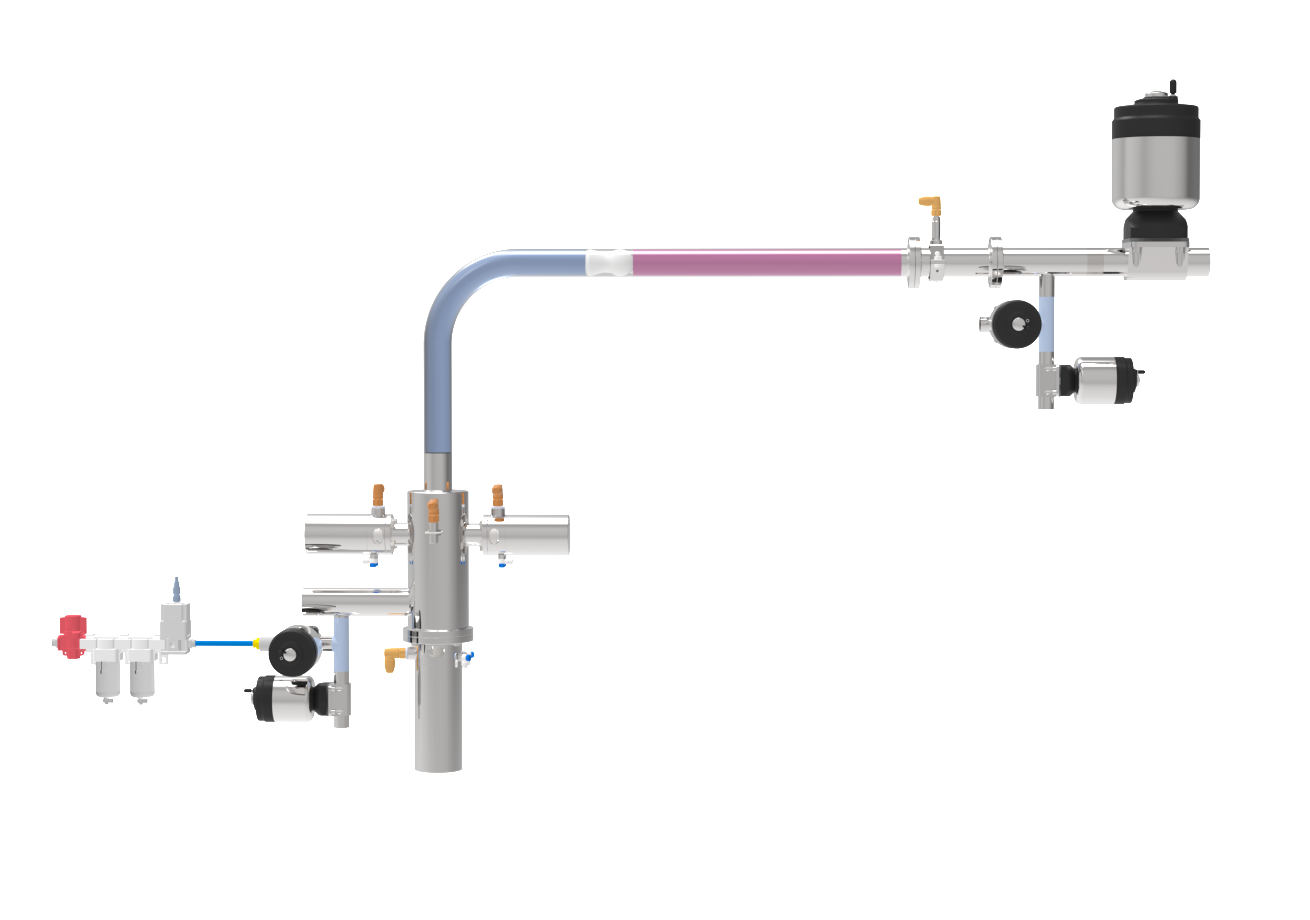
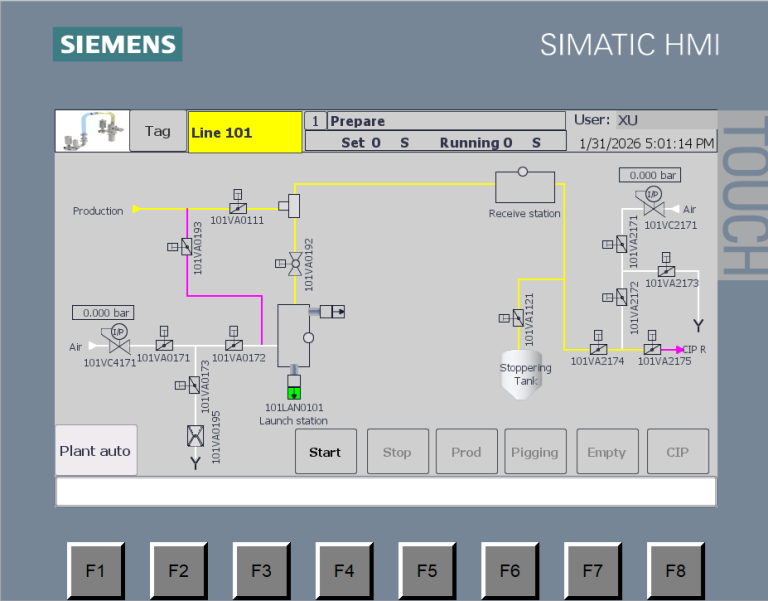
Mechanized pipeline swabbing methods deliver a significant plus over older techniques for upholding the wholeness of conduits. These progressive methods automate the activity of driving a "pig" – a dedicated device – through the pipeline system to remove deposits like sediment, degradation, and restrictions. By lowering downtime and advancing flow capability, automatic pigging processes mean a crucial commitment for enterprises relying on conduit transportation of elements.
Hygienic Flushing : Guaranteeing Duct Cleanness in Culinary Trade
Ensuring impeccable spotlessness within food & beverage preparation facilities is necessary, particularly when it comes to conduits used for transferring fluids. Pristine scrubbing offers a effective solution. This customized technique involves inserting a unit – often a flexible device – into the duct to wash out buildup, including microbes, and recover consistent spotlessness. Benefits include alleviated risk of pollution, elevated good safety, and amplified procedural efficiency. Factors for application include apparatus material compatibility with the beverage and line makeup.
- Cuts contamination chance.
- Upgrades commodity value.
- Expands operational performance.
Cleaning Methods: Boosting Efficiency and Minimizing Loss
Pipeline methods offer a major upgrade in channel execution for various businesses, particularly within the energy and fabrication sectors. By guiding a “pig,” a specialized device, through the arrangement, contaminants are erased, improving performance and minimizing product deterioration. This causes a lessened fee and a more low-impact technique to inventory governance.
Certain Future Related to Pipelines: Assessing Computerized Pigging Solutions
This prospect for pipeline operation is rapidly being shaped by self-operating pigging tools. Traditionally, pigging functions have rested on hand-operated intervention, but the introduction into autonomous pigs promises amplified efficiency, diminished downtime, and improved safety. These state-of-the-art systems leverage detectors, insights, and automated intelligence to scan pipelines without assistance, detecting flaws and undertaking scraping tasks with unprecedented precision. Preparing for widespread embracement, automatic pigging represents a vital step towards a more enduring pipeline framework globally.
Pipeline Clearing vs. Traditional Washing
Retaining duct cleanliness within the nourishment industry presents a noteworthy challenge. Historically, by hand disinfecting has been the typical method, relying on personnel to effectively discard debris and soiling. However, this approach is heavy-duty, prone to inconsistencies, and can be complex to fully validate. Process rinsing, on the other hand, offers a automated alternative. This technology utilizes a apparatus propelled through the pipework to remove deposits, providing a more efficient and steady cleaning process. Key variations include:
- Cost: Traditional cleaning often involves considerable labor bills, while flushing has introductory investment less overall payments.
- Output: Purging generally offers heightened effectiveness compared to human methods.
- Confirmation: Verifying the completeness of cleansing is convenient with cleaning due to recording capabilities.
- Safety: Laborious cleansing can expose assistants to unsafe conditions, whereas scrubbing decreases this danger.
Installing an Electromechanical Pigging System: Recommended Procedures
Productively deploying an automated pigging method requires exacting design and adherence to recognized best approaches. Primarily, implement a detailed analysis of your pipe to define the definitive obstacles requiring pigging. This encompasses assessing the category of deposit, the place of halt points, and the complete condition of the infrastructure. Subsequently, opt for a pigging setup fitting for your particular operational specifications.
Also, value in-depth development for team members dedicated in the pigging procedure. This should include instruction on safe handling of the equipment and understanding of emergency protocols.
- Regularly inspect the unit and coupled portions for defects.
- Initiate a sturdy preservation regimen.
- Log all line clearance cycles and related data.
- Check the bearing on channel volume and material consistency.
Finally, uninterrupted scrutiny and fine-tuning of the maintenance initiative are essential for elevating output and improving the line’s useful functional span.
Managing Recurring Problems in Impeccable Rinsing Setups
Effective activity of sanitary pigging frameworks often necessitates frequent repair. Often, hang-ups stemming from scale formation are identified, which has the capacity to be fixed through comprehensive inspection by means of appropriate equipment. Also, reduced throughput suggest degraded sealing components or in-pipe wear. Regular support, including cleaning device withdrawal and careful consideration of pipe circumstance, is imperative to diminish stoppages and retain maximal functionality.
Intelligent Rinsing Systems for Functional Conduits
Motorized pigging offers substantial gains for business lines, significantly amplifying operational performance. These mechanism provides a range of pluses, including reduced downtime, minimized servicing payments, and improved material grade.
- Curtailed pressure decline leading to capacity conservation.
- Enhanced duct wholeness, avoiding wear.
- Improved performance by removing deposits.
- Improved hazard reduction for personnel and the ecosystem.
Expenditure with Sanitary and Robotic Flushing Frameworks
Implementing spotless and automatic swabbing processes offers substantial economic advantages for pipe operators. These leading technologies minimize output loss due to sticky buildup, significantly lowering spoilage. Beyond substance recovery, cleaning solutions curtail the frequency of timed line shutdowns for overhaul, translating to boosted running sanitary pigging system time. Furthermore, the lessened need for operator input and chemical usage further contributes to the overall financial performance of your process.
- Reduced Product Loss
- Increased Production Uptime
- Lessen Physical Work Budgets