Openingmicro-fossil sediment demonstrates exceptional separating agent frequently applied in various technological functions, particularly when clarifying liquids. Formed from the fossilized remains of prehistoric microbes, it exhibits a unique permeable architecture that grants premium cleansing. This compound functions by creating a porous coating on a pressure filter, collecting microscopic matter while providing fluid permeability. Choosing the right grade diatomaceous earth of diatomaceous earth filtration is important for achieving desired results.
Employing Fossilized Diatoms Material for Clarification
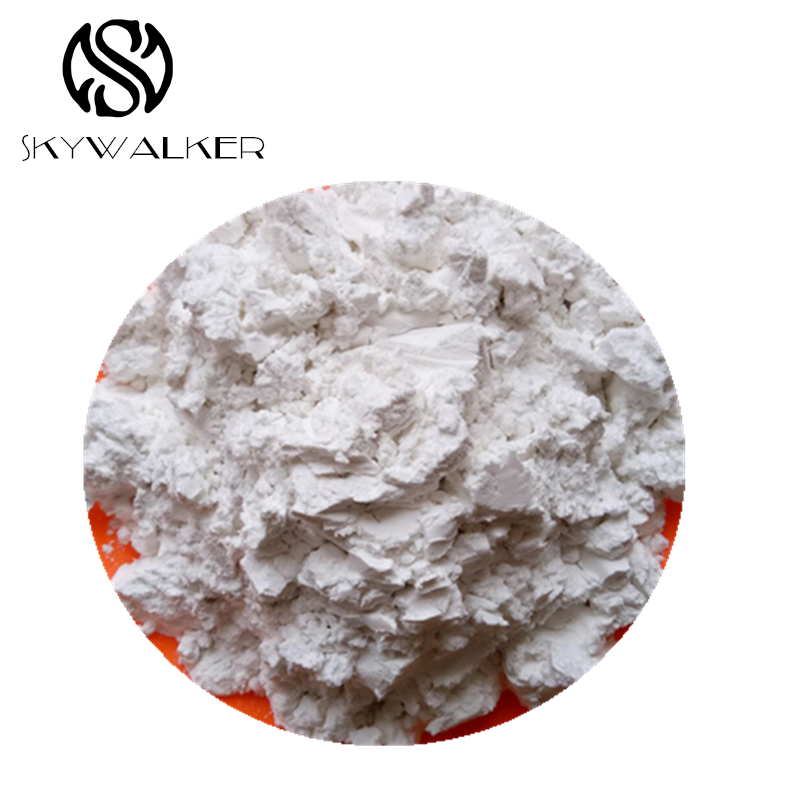
Microporous powder, composed of the fossilized remains of microscopic algae called diatoms, presents a exceptional alternative for processing various inputs. Its structure, a lightweight network of siliceous shells, provides an incredibly expansive surface area. This facilitates for highly productive removal of solids from liquids. Engagements range from moisture refinement and spirits creation to swimming processing and even crop-related operations. Merits include its organic origin, cost-effectiveness compared to diverse synthetic alternatives, and its competence to completely capture a all-encompassing variety of debris.
- Confers superior element removal.
- Exists as a sustainable choice.
- Adapted for numerous industries.
Upgraded Bleaching Substance: Properties and Purposes
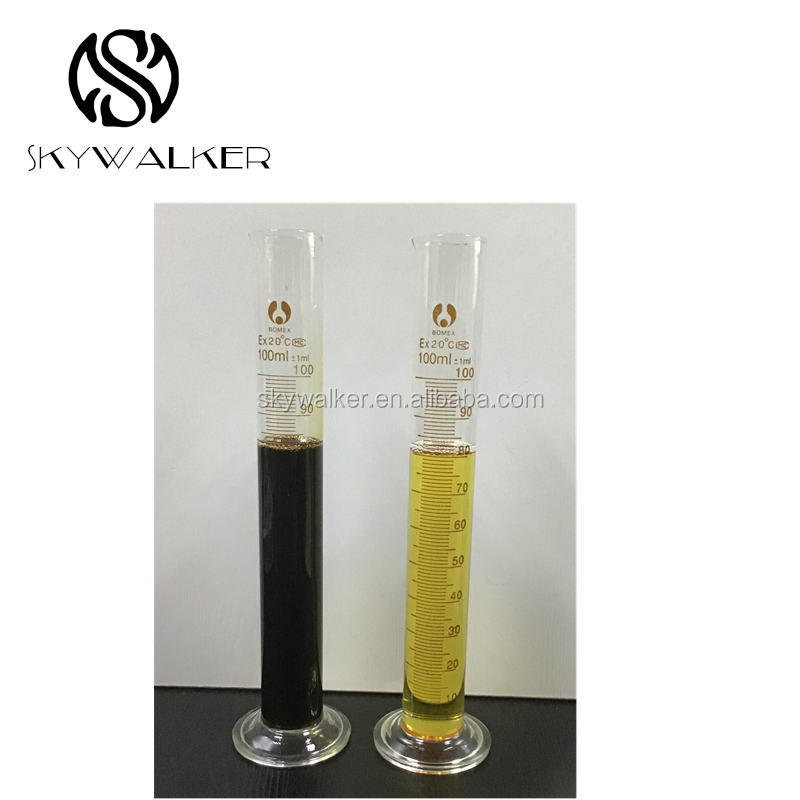
Modified bleaching layer is a class of raw smectite that has undergone unique enhancement to strengthen its adsorptive abilities. This procedure typically involves biochemical adjustment, resulting in a broadened composition with a vast extent. Consequently, it exhibits exceptional aptitude to remove dyes from a wide array of liquids, finding relevant applications in the lightening of vegetable oils, lipids, and other biomass-derived compounds. Alongside, its safe attribute and low price contribute to its enhancing acceptance in various domains.
Choosing Between Diatomite and Alternative Filtration Media
Picking the most suitable clarification element for a specific process can be tricky. While bentonite and other proxies exist, diatomite typically presents a forceful case for its eminence. Compared to these alternatives, diatomite regularly offers amplified clarity and a more significant pace of separating particles. However, this optimal choice ultimately rests on determinants such as cost, process requirements, and preferred deliverable class.
How Diatomite Filtration Works
Siliceous sediment or known as porous earth filtration refining leverages the unique or distinct structure of the microscopic microscopic algae remains. These those diatoms, upon subsequent to death, form construct a sedimentary earth-like rock mass composed formed of intricately finely porous spongy silica silicic shells. This aforementioned porous networked network web provides an incredibly notably large extent for collecting particulate miniscule matter sediments from through liquids substances, achieving allowing highly thorough precise filtration or separation.
Maximizing Bleaching Results with Processed Clay
Increasing a whitening process utilizing refined earth presents a potent method for increasing performance. The specific renewable material, extracted from mud, possesses significant combined features that make possible for it to efficiently remove dyed dyes from materials, thereby reducing utilization of harsh industrial chemicals and encouraging a cleaner operation.
Comprehending The Types of Diatomite Filter Powder
Deciding on the correct filter media quality is important for optimal filtration processes. Fossil filter aid grades are determined by their granular scale, typically expressed in fine scales. Smaller grades, like FF or Filter-X, offer noteworthy purity and are preferable for fine liquids, while heavier grades, such as Perlite or Celite 500, give a heightened processing speed for fewer tasks. Understanding these alterations will enable you to increase your clarification benefits and minimize payments tied with the procedure.
Sustainable-minded Sourcing of Fossilized Algae Earth
The booming demand for diatomite earth necessitates a concentration on durable sourcing strategies. Traditional procurement often involves significant land disturbance and can alter local ecosystems. Presently, forward-thinking corporations are exploring alternatives, such as rehabilitation of vacated sites, ensuring restricted disruption and safeguarding habitat habitats. Furthermore, honesty in the supply is evolving crucial, allowing end-users to establish informed decisions and encourage environmentally responsible actions. To that end, responsible stewardship of siliceous sediment earth reserves is vital for lasting availability and minimal environmental ramifications.
- Minimized land interference.
- Revitalization of procurement sites.
- Advanced transparency in the distribution.
Treated Lightening Substance: A Experimental Insight
Looking at a theoretical frame, improved bleaching earth represents a unique class of claystone minerals. Primarily, smectite material is structurally modified via treatment – typically involving thermal modification – to dramatically boost its receptive characteristics. The processing creates a large surface with a significant number of acidic domains, facilitating the retention of discolored elements from suspensions. The function chiefly involves physical bonds and Van der Waals contacts, yielding a purer result.