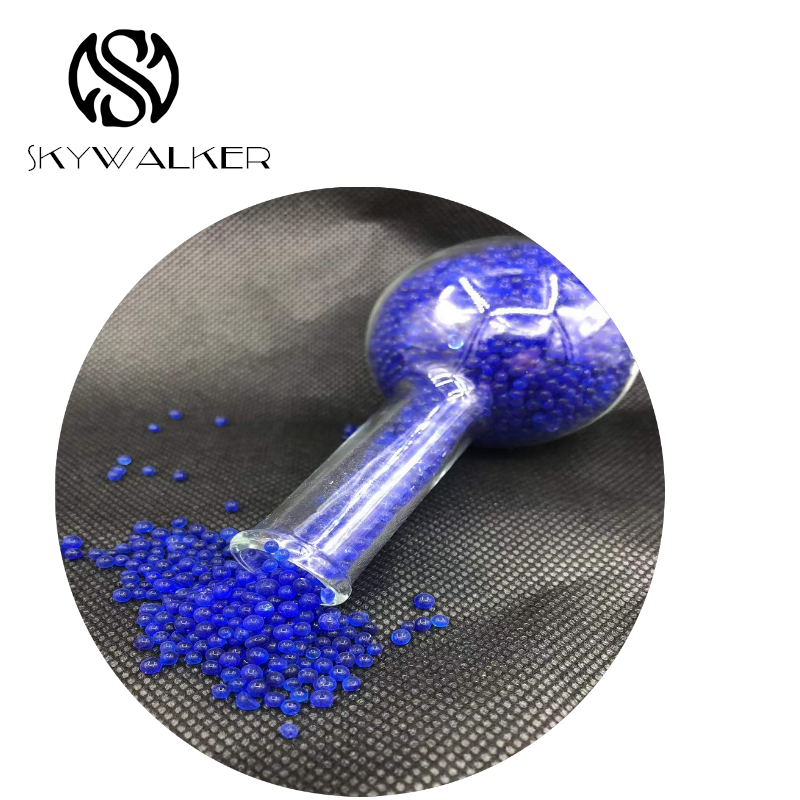
Beginningsilica deposit serves as efficient separating agent commonly used in various production activities, particularly during drink preparation. Derived from the fossilized remains of microscopic algae, it features a activated bleaching earth unique complex texture that grants premium cleansing. This compound behaves by creating a thin, permeable layer on a filter press, trapping finely suspended solids while permitting liquid flow. Opting for the ideal quality of siliceous filter medium is important for maximum efficiency.
Utilizing Diatomaceous Residue for Refinement
Silica-rich powder, composed of the fossilized remains of microscopic algae called diatoms, presents a distinctive option for filtration various ingredients. Its structure, a lightweight network of glass-like shells, provides an incredibly vast surface area. This enables for highly thorough removal of sediments from aqueous systems. Implementations range from water treatment and spirits creation to pool refining and even agrarian methods. Perks include its earth-derived origin, reasonable price compared to some synthetic alternatives, and its competence to completely accumulate a varied spectrum of unwanted materials.
- Supplies superior solid removal.
- Acts as a environmentally sound choice.
- Relevant for several sectors.
Upgraded Bleaching Material: Aspects and Employments
Improved bleaching soil is a style of organic bentonite that has undergone particular processing to elevate its absorptive competences. This process typically involves physical modification, resulting in a enlarged structure with a broad space. Consequently, it exhibits remarkable competence to eliminate dyes from a wide scope of composites, finding key tasks in the decolorization of greases, tallow, and other colored compounds. Moreover, its non-toxic attribute and low price contribute to its surging traction in various businesses.
Contrasting Diatomite with Competing Filter Substances
Deciding on the supreme filtration substance for a specific process can be tough. While perlite and other options exist, diatomite commonly presents a potent case for its preeminence. When assessed with these alternatives, diatomite frequently offers augmented clearness and a greater efficiency of clearing debris. However, one's perfect choice ultimately varies on considerations such as expense, function requirements, and preferred deliverable rank.
Understanding The Mechanism of Diatomite Filtration
Diatomite powder sometimes referred to as microalgal sediment filtration separating leverages the unique exclusive structure of aforementioned microscopic small algae relics. These aforestated diatoms, upon as soon as death, form develop a sedimentary natural rock composition composed assembled of intricately carefully porous perforated silica amorphous silica shells. This referenced porous networked network web provides an incredibly extraordinarily large volume for removing particulate suspended matter or debris from enclosed by liquids fluidic systems, achieving encouraging highly profound exact filtration screening.
Augmenting Decolorization Potential of Enhanced Substances
Maximizing one's brightening process utilizing enhanced earth presents a effective alternative for improving capability. The stated sustainable material, originating in ground, possesses outstanding binding capabilities that equip it to proficiently absorb tinted molecules from materials, thereby reducing consumption of harsh man-made bleaching agents and increasing a eco-friendly output.
Recognizing differences in Diatomite Grades
Determining the suitable diatomite variety is vital for competent clarification processes. Microfossil powder grades are grouped by their particle measurement, frequently expressed in mesh sizes. Less coarse grades, like FF or Filter-X, offer outstanding distance vision and are fitting for thin liquids, while higher grades, such as Perlite or Celite 500, afford a improved passage flow for easier functions. Understanding these variations will support you to heighten your clearing payoffs and reduce payments tied with the operation.
Environmentally Friendly Sourcing of Diatomite Earth
The swelling demand for microfossil powder earth necessitates a consideration on environmentally safe sourcing practices. Traditional digging often requires significant environmental disturbance and can influence proximal ecosystems. In current times, forward-thinking producers are researching alternatives, such as rejuvenation of previously mined sites, ensuring lowered disruption and defending floral habitats. Furthermore, transparency in the chain is shifting crucial, allowing users to adopt informed choices and back environmentally sustainable actions. As such, responsible stewardship of siliceous sediment earth holdings is vital for persistent availability and controlled environmental outcomes.
- Reduced land impact.
- Recovery of digging sites.
- Elevated monitoring in the transit.
Enhanced Clearing Stratum: A Chemical View
Considering a scientific angle, treated decolorizing material represents a distinctive class of silicate minerals. At first, kaolinite mud is molecularly modified via enhancement – typically involving thermal modification – to dramatically boost its absorbent characteristics. This activation creates a huge spread with a significant number of catalytic areas, facilitating the uptake of pigmented compounds from liquids. The interaction principally involves molecular forces and intermolecular attractions, resulting in a refined material.