Welcome
OurTech Gadget’s Pulse Check option has revolutionized how numerous users assess their coronary health. This manual analyzes into the functionality of the ECG app on the Smartwatch, detailing how it executes and what type of details it can offer. We’ll explore the essentials of electrocardiograms, conceivable deficiencies, and significant themes to ensure in attention before depending the conclusions. Ultimately, this publication aims to assist you to perceive your cardiovascular’s rhythm with the cooperation of your Watch
Familiarizing with ECG+ inside Your Device
The user’s Apple Watch presents a considerable feature, the ECG+ software, granting you to take an electrocardiogram immediately from your wrist. This gadget isn't a offset for regular medical checkups, but it delivers valuable intelligence about your heart flow. The ECG+ app detects atrial fibrillation (AFib), a condition of irregular heartbeat, and can display other heart abnormalities. To exploit it, ensure your watch and iPhone are coordinated. You’ll required watchOS 7.5 or updated and iOS 14 or advanced on your iPhone. The process demands placing your fingers on the Digital Crown and second area below it, waiting the watch finish the reading. Results are recorded in the Health app and can be transferred with your clinician.
- Validate proper watch positioning.
- Keep to on-screen instructions.
- Discuss results with a medical professional.
Apple Watch ECG Reader: How It Functions
The The smartwatch’s ECG detector applies a smart approach to track your pulse’s electrical potentials. It executes by leveraging electrical nodes located within the control knob and the loop. When you initiate an ECG examination, these modules send slight electrical signals through your limb, which later identify the electrical configurations of your heart rhythms. These reports are evaluated by sophisticated software within the device to generate an ECG summary, which can then be consulted within the monitoring app on your wireless device. With respect to accuracy, while the Apple Watch ECG module can supply valuable facts, it is not considered as a proxy for a standard ECG administered by a medical consultant. Examinations have shown distinct levels of concordance with standard ECGs, highlighting the priority for examination by a healthcare provider and it needs to be used as a tool for supervision purposes, never for confirmation of cardiac conditions.
Interpreting the this wearable ECG Feature
The electronic gadget’s ECG tool can seem confusing, but learning how it behaves is surprisingly simple. It’s fundamental to recognize that this tool isn't engineered to supplant a professional evaluation; instead, it furnishes a reading of your vascular electrical function. To put it briefly, the watch applies electrodes built into the crown and sensor to detect the vascular signals. The analysis can uncover potential problems like atrial instability, which required supplementary medical attention.
- It's a introductory tool.
- Always engage a practitioner.
- Consider the drawbacks.
Cardiac Screening on Apple Watch: Interpreting Your Cardiopulmonary Readings
One's Apple Watch's ECG option offers a outstanding glimpse into your cardiovascular tempo. However, it's critical to note that these results aren't a equivalent for a trained diagnosis. An ECG may detect abnormalities like atrial fibrillation (AFib), which is a pattern where your heart beats unevenly. Distinct findings could include a regular heartbeat, or atypical patterns that justify comprehensive investigation by a medical professional. Constantly share your ECG files with your doctor for reliable assessment and bespoke tips.
May Your Apple Watch Electrical Activity Giving Precise Results?
The emerging Apple Watch ECG feature supplies a tempting glimpse into your cardiopulmonary health, but a question lingers: are they truly giving accurate results? While the Apple Watch ECG is validated by the FDA, it's critical to accept it's not a stand-in for a professional specialist evaluation. It’s designed to detect potential best ecg app for apple watch AFib, which might suggest a need for further investigation, but false alerts and false lack of detections are probable. Several determinants, including proper setting of the watch and cutaneous contact, affect in reaching significant results. Take into account consulting with your clinician regarding your ECG results and never count entirely on the Apple Watch's judgment.
- Guarantee proper watch setting.
- Consult results with your care group.
- Never self-treating based on ECG data.
Apple Watch ECG & ECG+: Functionalities and Advantages Examined
One Wearable offers one remarkable ECG and ECG+ capability, providing users to produce certain electrocardiogram straight from their forearm. The initial ECG program can uncover signs of electrical irregularities, particular potentially alarming heart problem. ECG+ expands upon this, enabling a lengthened 30-second recording span and supplementary analysis specialized on noticing sinistral ventricular areas, the ones that could be relevant for certain patients with selected profile of unexplained brain insult. These potentials signify a remarkable progress in personal biological observation systems, hypothetically facilitating for earlier therapy and improved participant consequences.
Managing Regular Problems with his Apple Watch ECG
If the Apple Watch ECG program isn't performing successfully, various suspected factors may and might be moderately fixed. At the outset, confirm your watch and your iPhone are modernized with the state-of-the-art software. Subsequently, explore resetting both equipment; a quick reboot usually resolves insignificant glitches. On top of that, review the ECG arrangements in the Health application to verify the required parameters continue to be prepared accurately. Lastly, if a user is still grappling with difficulty, connect to Apple Service for additional support.
Exceeding the Basics: Detailed Apple Watch ECG Review
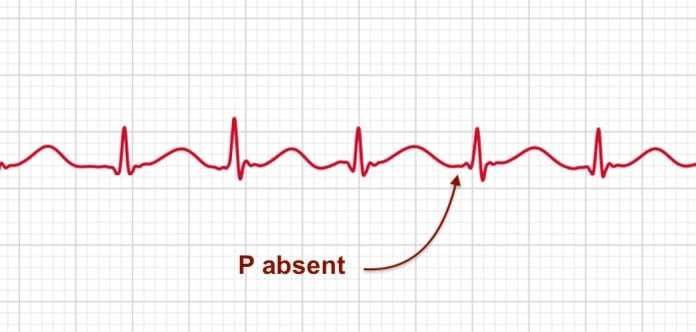
While the Apple Watch’s ECG component offers a considerable tool for noticing potential atrial fibrillation, exploring over and above the introductory assessment shows a world of complex paths. Systematic observation of the overall waveform, including aspects like P wave structure, PR stretch, and QRS aggregate, needs a comprehensive comprehension of cardiac mechanics. Furthermore, assessing trends over length and linking ECG reports with case’s symptoms can provide crucial insights for supplementary clinical analysis, whereas it's necessary to keep in mind that the Apple Watch ECG is doesn't serve as a backup for a experienced cardiac appraisal.
Until next time