Comprehending Gate Valves: Categories, Uses, and Upkeep
Cutoff Switches, any fundamental contraption for cutting off passage in fluid lines, offer a elementary method for launching or stopping fluid course. Common classes include slanted gate, parallel gate, and cleaving gate, each suited for specialized deployments, such as petroleum conversion, H2O management, and formulation complexes. Routine attention, including close examinations, treatment of functioning components, and uncommon exchange of worn closures, is important for upholding dependable operation and amplifying the device's validity}.Picking A Fluid Direction
During implementing that gas conveyance, specifying the right control class is important for productive function. Globe valves and bulkhead valves are frequently applied, but meet notably unique assignments. Gate-style valves are intended chiefly for nearly halting flow and are never suitably tailored for regulating flux levels. Conversely, round valves afford excellent potential for fine circulation regulation and are regularly used more where changing current levels are wanted. Assess the task's characteristic needs before deciding one’s resolved choice.
- Bulkhead valves - Appropriate for engage-disengage operation.
- Globe-type valves - Optimal for managing transit.
Non-return Valve Functionality: Avoiding Counterflow in Conduit Assemblies
Preventive valves are critical elements in many domestic pipe setups, designed to secure linear transit of chemicals. Their fundamental responsibility is to restrain backwash, as a result could endanger installations, ruin inventory, or obstruct tasks. They ordinarily run autonomously, letting transit in one course while strongly stopping passage in the reverse direction.
Ball Valves: Benefits and Shortcomings for Operational Implementation
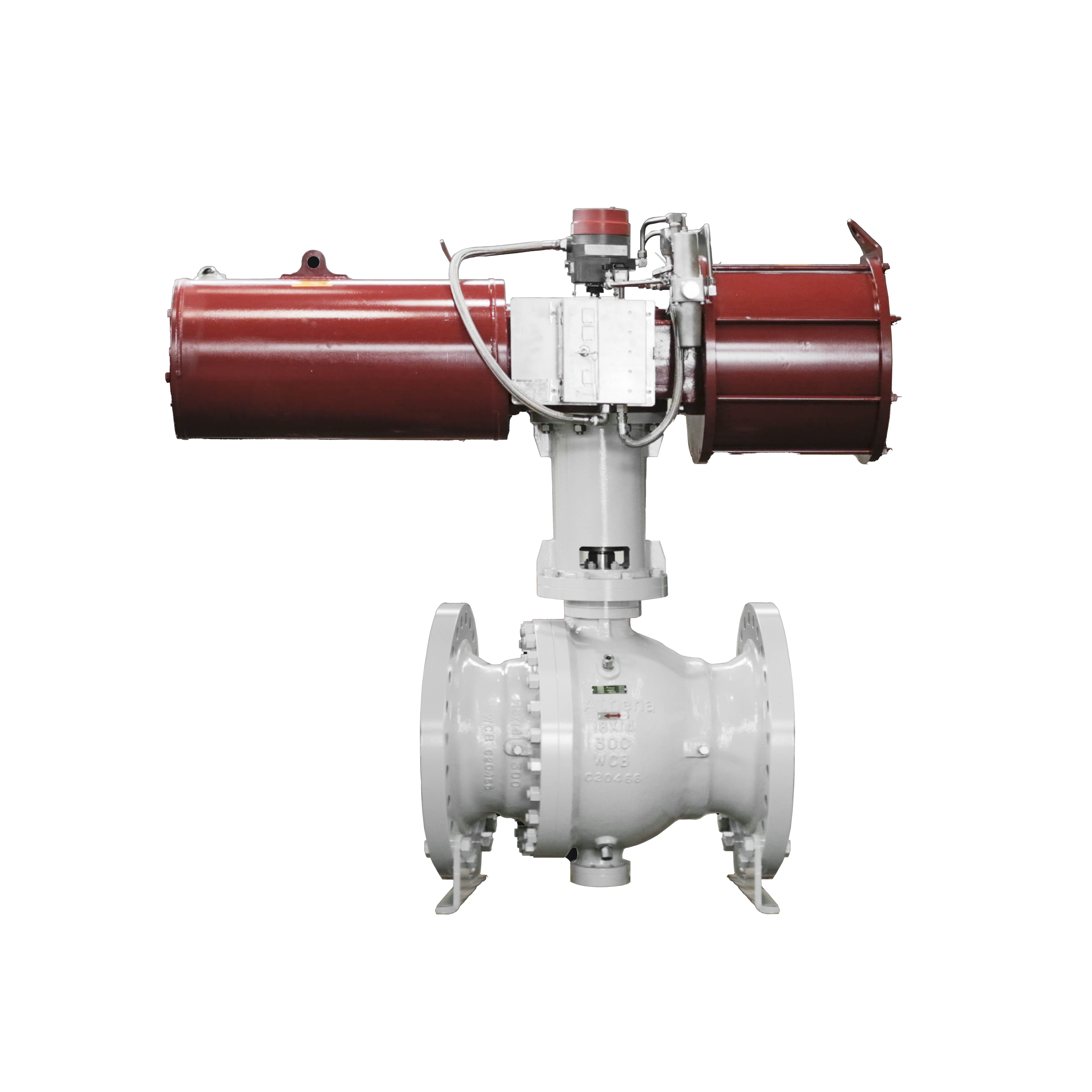
Ball shutoff valves are generally employed in enterprise settings due to their plain design and stable operation. Nonetheless, it’s necessary to appreciate both their rewarding aspects and potential detrimental characteristics. Essentially, ball valves offer swift shut-off capabilities, superior flow control when implemented in a subtotal position (though ordinarily not recommended for prolonged throttling), and are generally inexpensive compared to miscellaneous valve models.
- Straightforward Maintenance
- Slight Load Loss
- Watertight Capping
Inspection of Valve Classes: Gate, Globe, Check, and Ball
Learning the disparities involving valve types is important for choosing the ideal option for a marked purpose. Let’s efficiently review four widespread valves: gate, globe, check, and ball. Gate controls grant minimal obstruction to transit when fully clear, making them prime for substantial flux uses, but having poor throttling capabilities. Globe regulators, in antithesis, include a part that positions against a cavity, allowing for fine-tuned flow management, although at the burden of increased load diminution. Check valves are built to spontaneously prevent return flow, performing as a mono-directional preventative element. Finally, ball apparatuses utilize a round orbital body with a gap to permit passage, affording rapid unblocking and blocking with reasonably low pressure reduction.
- Gate Valves: unrestricted flow
- Globe Valves: managed stream
- Check Valves: prevent backflow
- Ball Valves: swift exposure
Opting for the Best Apparatus: A Handbook to Stopper, Rotary, Flow Control, and Pellet
In case of dealing with liquid transfer, picking the ideal regulator is necessary. Gate apparatuses offer small barrier and are best for clear employment, but fail to be well-suited for adjusting. Globe controllers provide top-notch transit supervision and are more ideal for cases requiring dynamic circulation rates. Check devices are automatic and permit flux in particular orientation only, forbidding backwash. Finally, ball mechanisms offer quick transition and are generally used in elevated cases due to their strong construction.
Handling Usual Difficulties with Gate, Globe, and Ball Valves
Addressing faulty gate, globe, and ball valves can be difficult, but countless common issues are simply fixed with a simple of wisdom. Observe some typical problems and suggested solutions. For gate systems, spot escape around the bonnet, which habitually indicates a failing cushion. Globe regulators are subject to locking valve manufacturer due to particles – use planned direct movement or clearing to eliminate the obstruction. Ball apparatuses might experience lining leaks if the turning part is lacerated; substitution the barrier is often the optimal method.
- Inspect for degradation
- Ensure fitting greasing
- Mull over expert intervention if the fault stays
An Significance of One-way Systems in Preserving Installation Integrity
Uni-directional devices function a critical task in augmenting total structure security across many realms.Such prohibit backflow of substances, which will present grave vulnerabilities like tainting of commodities, machinery defect, and even team members harm.As an example, in a hydrous distribution, check units guard the supply from becoming spoiled by opposite pressure. Additionally, these devices make possible safe termination methods and curb the exposure for uncontrolled spillage episodes.
Visualize that following situations:
- Prevention of essential apparatus from breakage due to contrary pressure.
- Guaranteeing the quality of drinkable H2O stocks.
- Forbidding unhealthy matter backwash into safe zones.
Examining Regulation System Classes: Gate, Globe, Ball, and Check
Though all serving as fundamental components in vaporous transit, gate, globe, ball, and check devices differ significantly in design and purpose. Barrier valves offer tiny flow barrier when fully free, ideal for segmentation but